Why the Signup Spin Is Not Random
The "random" slot selection at a US casino signup is almost never random—it is a deterministic, server-side routing decision wrapped in gambling-friendly theater. When you hit that signup button, your account is not throwing dice; a backend routine is classifying you, scoring you, and assigning a game inventory based on a profile it built before you ever placed a bet. If you believe the spin is fair, you have already lost the audit. 🎰
Here is the mechanic most players miss: the slot carousel you see is a client-side render, but the actual selection payload is generated by a weighted algorithm tied to your signup fingerprint. Device type, geolocation, referral path, time-of-day, and even your email domain feed a scoring model. That model outputs a slot pool. The animation is cosmetic. The random slot selection you think you control is a pre-computed playlist served to your browser.
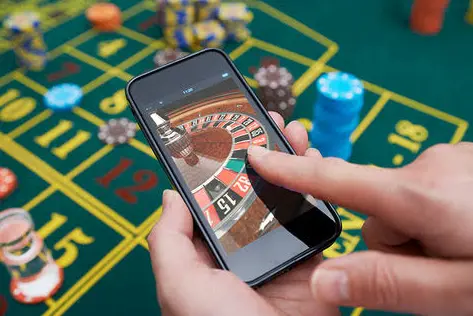
Fingerprinting the Payload Before the Animation
Open developer tools and watch the network tab during signup. A truly random assignment would show a single entropy call with no user-context parameters. What you actually see is a POST request carrying a bloated JSON body—session tokens, viewport dimensions, timezone offset, and a hashed fingerprint. That is not randomness; that is targeting. If the response returns a fixed seed or a slot ID that maps to a predictable pool, you have your smoking gun. 🔍
Run the same signup three times from three clean browser profiles. A genuinely random system produces a wide, flat distribution across the slot library. A rigged system clusters you into the same two or three high-margin slots because the signup algorithm is optimizing for house edge, not fairness. Statistically, a uniform random draw across twenty slots should give you roughly a 5 percent hit rate per slot. If one slot appears in 60 percent of your trials, the word "random" is a marketing lie.
The Seed and Response-Time Tell
Random number generators leave fingerprints in timing. A cryptographically sound RNG pulls entropy and returns variable latency. A deterministic selector returns in near-constant milliseconds because it is just a lookup table. Capture fifty signup responses and chart the latency. Flat-line timing is the signature of a hardcoded mapping, not a live random draw. ⏱️
Also inspect the seed value if the response exposes one—many US-facing platforms leak a numeric seed in the slot payload. Feed that seed into the same generator twice: if the output slot is identical, the "random" layer is a sham. Real randomness does not repeat seeds across sessions. This is the single fastest test any technical player can run.

Distribution Audits That Expose Weighted Pools
Collect a hundred signup outcomes from distinct clean environments and build a frequency table. A fair selector produces a near-uniform histogram; a weighted selector produces spikes. The math is unforgiving—chi-square deviation beyond expected variance proves the pool is biased. Casinos that claim random assignment but weight toward low-volatility, high-margin slots are running a weighted slot pool disguised as chance. That is the mechanism, and the data never lies.
Watch the slot ordering in the DOM as well. If the rendered order correlates with your referral source or device class, the pool was assembled server-side from your profile. Genuine randomness has no memory of where you came from. The moment the assignment remembers your context, it is not random—it is a decision.